Facilitation is the skill of helping a group think and reach a decision together, without doing the thinking for them. The facilitator owns how the conversation runs while the group owns what comes out of it.

A facilitator is responsible for the process, not the content. They plan the session before anyone walks in, keep the discussion moving once it starts, make sure the quiet people get heard and the loud ones don’t run the table, and steer the group toward a real decision instead of a vague “let’s circle back.”
The content belongs to the participants. If you’re facilitating a planning session for a hospital’s nursing staff, you are not the one deciding the staffing model, the staff are. You’re making sure the hour produces a model they’ll actually stand behind, rather than the loudest voice’s opinion dressed up as consensus.
That neutrality is what separates facilitation from teaching or presenting.
Pursuing this training is an excellent way to enhance your skills as a professional. Anyone can enroll in a program to improve their communication abilities and overcome barriers. Facilitation represents a new approach to proper and constructive team management. In many situations, facilitation plays a vital role as an effective strategy and skill set. High-quality training helps professionals achieve success through improved team cooperation. Here are situations where effective facilitator training is indispensable:
Good facilitators don’t wing it. They work from a toolkit, and they pick the tool that fits the moment.
A few examples:
A few articles to learn more:

The facilitator training program covers essential skills that every participant should master. These facilitator skills help improve group interactions and lead to collaborative decisions. Facilitation focuses on structured group sessions to resolve conflicts and achieve objectives. The program helps you enhance your abilities and learn to lead teams effectively. Real-time learning and practice are essential components of the program. Students absorb information that will be invaluable when leading large groups. Here are the key skills every facilitator should develop:
Anyone can contact us today for detailed information about our training programs. Facilitator training takes your skills to the next level and improves your leadership qualities. Participating in workshops guarantees you’ll gain practical experience, theoretical knowledge, and deep learning opportunities. Facilitator training workshops offer many advantages designed for large audiences:
All courses are delivered live online. In-person options available for teams of 6+.
 BEST SELLER
FOR EVERYONE & INSTRUCTORS & MANAGERS
4 sessions | Live Online
 BEST SELLER
FOR INSTRUCTORS
2 sessions | Live Online
 BEST SELLER
FOR DESIGNERS & INSTRUCTORS
3 sessions | Live Online

FOR INSTRUCTORS
Live Online

FOR INSTRUCTORS
Live Online
Selecting a quality facilitator training course will help you develop both personally and professionally. Anyone can achieve excellent communication skills and strong leadership abilities. Choosing the right course depends on your awareness, confidence, and commitment. It’s important to research the right information to make an excellent choice. Here’s what you should consider:


There’s no single right way to facilitate. The style that works depends on the group, and what the session needs to produce.
Some sessions call for a light touch, where the facilitator mostly keeps time and lets a capable group run. Others, especially when there’s conflict, need a firmer hand on the wheel. A skilled facilitator can move between those in the same session.
The mistake beginners make is picking one style, usually “be nice and let everyone talk,” and sticking with it even when the room clearly needs structure. Matching your style to the moment is a learned skill, and it’s something we can help you with.
This is where most people first run into facilitation, usually because they’ve been handed a recurring meeting that everyone quietly dreads.
The fixable problems are almost always the same. No clear purpose, so nobody knows when it’s over.
Facilitation skills fix every one of those. The planning happens before the meeting, the structure holds during it, the decision gets made, and everyone leaves with the feeling that the time was well spent.
A few articles to learn more:
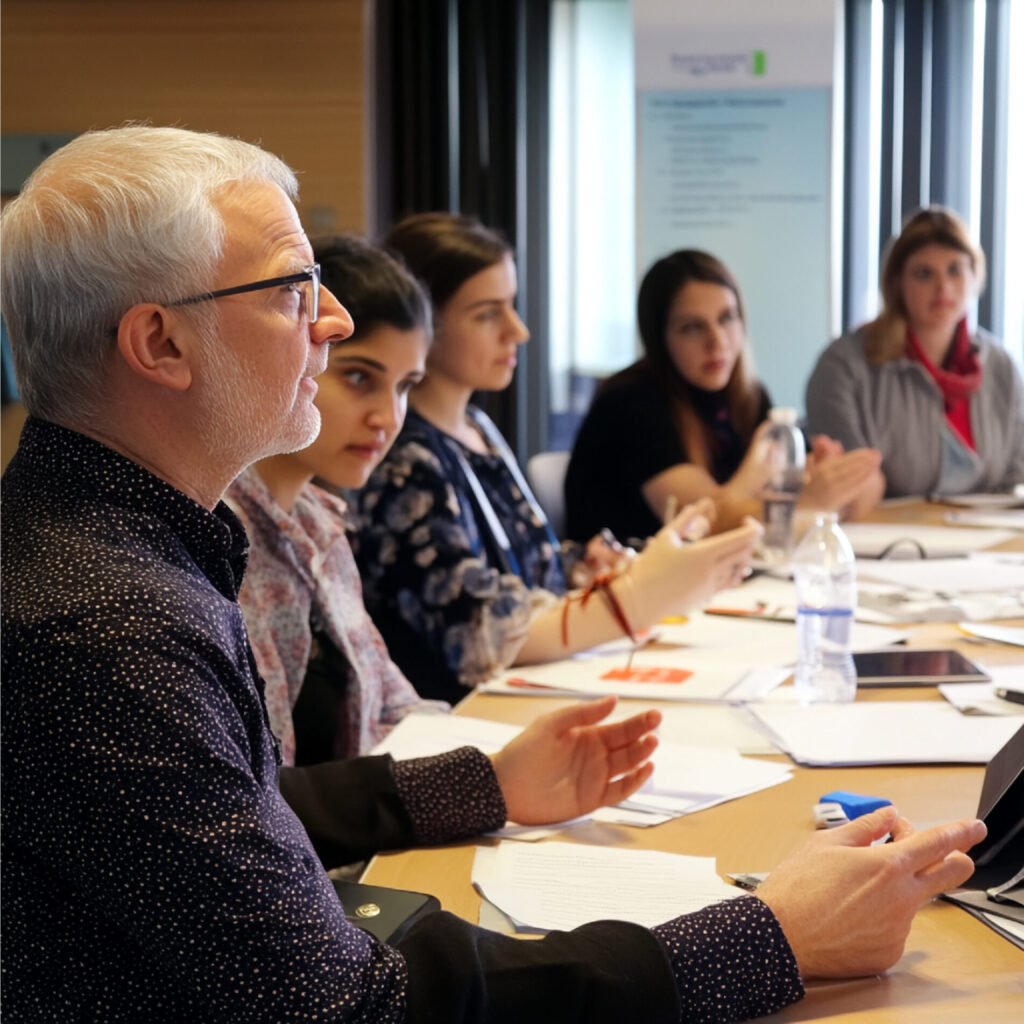
Every workshop includes hands-on exercises with personalized feedback from master trainers.
Not satisfied? Full refund plus $100. No other training company makes this promise.
Retake any workshop once for free to reinforce your skills after your workshop.
Submit your course materials for expert review for a full year after your workshop.

Easy groups don’t need much facilitation. The skill becomes important when the room gets difficult.
Have you ever had dominant personalities who steamroll everyone else in a meeting? That’s just one example. A facilitator has specific ways to handle each of these in an effortless-looking way, even though managing a hostile room is one of the harder things you can be asked to do at work.
This is the part of the craft people most want to learn, and the part you genuinely can’t pick up from a blog post. It takes practice with feedback.
A few articles to learn more:
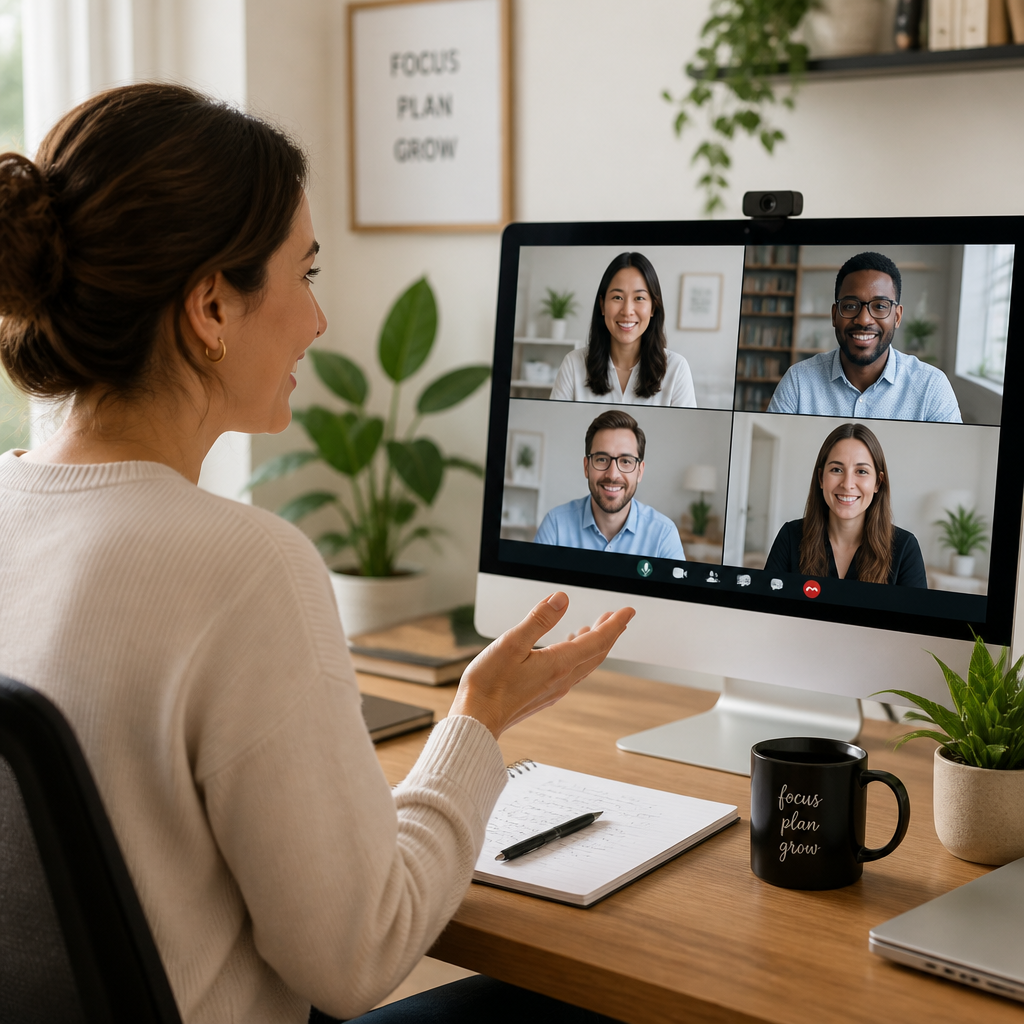
Facilitating over video broke a lot of techniques that worked fine in a room. You can’t read body language through a wall of black squares and silence feels heavier on a call. In addition, side chats that may or may not be using the same software may be happening whether you want it or not.
Virtual facilitation has its own set of moves. The fundamentals carry over, but the delivery is different enough that it’s worth learning on its own.
A few articles to learn more:
Prefer a workshop?

You can read about facilitation all day but reading won’t make you good at it. Like anything performed in front of other people, it sticks when you practice it.
That’s the approach we take. Our facilitation training puts you in front of a group, has you run real exercises, and gives you direct feedback from instructors who facilitate high-stakes sessions for a living. You leave having actually done it, not just heard about it.
If you want to build the skill formally, two routes:
Everything we run comes with the same promise: if you are not satisfied with the training you’ve taken, you get your money back plus $100. More than 120,000 people have gone through Langevin for training so far, and 20,000+ certified.
Effective facilitation training programs offer comprehensive tools, practical methodologies, and real-world case studies that prepare future trainers for success. Organizations like Langevin have developed specialized training programs that address the complex challenges modern facilitators face. Any field can benefit from the experience and expertise of skilled professionals who understand group dynamics and collaborative processes.
Many people take courses and obtain certificates. This allows them to confirm their knowledge and demonstrate their commitment to professional development. Strong facilitation skills and abilities help you manage teams effectively, become a confident leader, and achieve measurable success in your organization.
Today, facilitation plays a crucial role in collaborative decision-making and team leadership across industries. It’s important to understand what facilitation truly means and why it has become so valuable in today’s workplace environment. A professional facilitator guides groups through complex discussions and inspires the people they lead to reach their full potential. Quality facilitator training helps you establish appropriate boundaries and develop consistency in managing people and processes.
A skilled facilitator can engage participants effectively and apply their expertise in seminars, workshops, and brainstorming sessions. Professionals in this field create favorable conditions for organizations to tackle complex problems and navigate challenging situations. Their significant contribution, combined with strong intuition and developed leadership abilities, helps teams achieve remarkable success and sustainable results.
Comprehensive facilitation training is a specialized program designed for effective management of groups and large teams in various organizational settings. Participants learn about proven techniques, evidence-based methodologies, and time-tested approaches that have been refined through years of practical application. The facilitator training course helps you acquire these essential skills and establish clear, measurable objectives for your professional development. Here are the main goals of this training:
This training is particularly valuable for people in leadership positions. Managers and leaders often need to conduct high-quality meetings and conferences. For trainers and coaches, facilitation skills help improve various development programs. Educators use these techniques to build effective strategies and encourage active participation.
It’s helping a group work through something together and reach a decision, while staying neutral on the decision itself. The facilitator runs the process while the group provides the content and owns the outcome.
A presenter is the expert handing knowledge to an audience. A facilitator guides a group to produce its own answers and often knows less about the topic than the people in the room. One delivers content while the other pulls it out of everyone else.
Planning a session before it starts, listening closely enough to catch what’s really going on, staying neutral when you have opinions of your own, handling conflict without making it worse, and getting a group all the way to a decision. Most of these are learnable with practice.
No rule says you do. But a credential signals you’ve trained formally, and the training itself is where you pick up the techniques and get the practice that separates a confident facilitator from someone hoping the meeting goes okay. Our certification paths lay out the options.
Yes, and a lot of it happens that way now. The core skills carry over from in-person, but video adds its own challenges around reading the room and keeping people engaged, so it’s worth learning the virtual-specific techniques rather than assuming what worked in a conference room will work on a call.
You can learn the fundamentals in a few days of focused training. Getting genuinely good takes practice after that. The training gives you the toolkit and the first supervised practice.
Facilitator training is an excellent way to earn certification and advance to the next level. Certification’s value lies in creating new pathways to success. Certification increases your professional credibility and enhances your skills. It opens many new opportunities in various specialties. Certification demonstrates your competence and high qualifications. It’s the primary way to showcase your abilities in high-paying and essential fields. Practical training provides an excellent foundation for a powerful career. With each session, you’ll gain greater awareness and discover new opportunities.
Facilitator training allows you to pursue advanced education and apply skills in your workplace. Anyone can begin conducting their first sessions and be amazed by their level of expertise. Future facilitators will become excellent mentors for others. Continuous learning through books and practice will strengthen your awareness and improve communication. Additional seminars will help you reach new levels of understanding. Developing deeper skills will help you resolve any conflicts and respond appropriately in challenging situations.